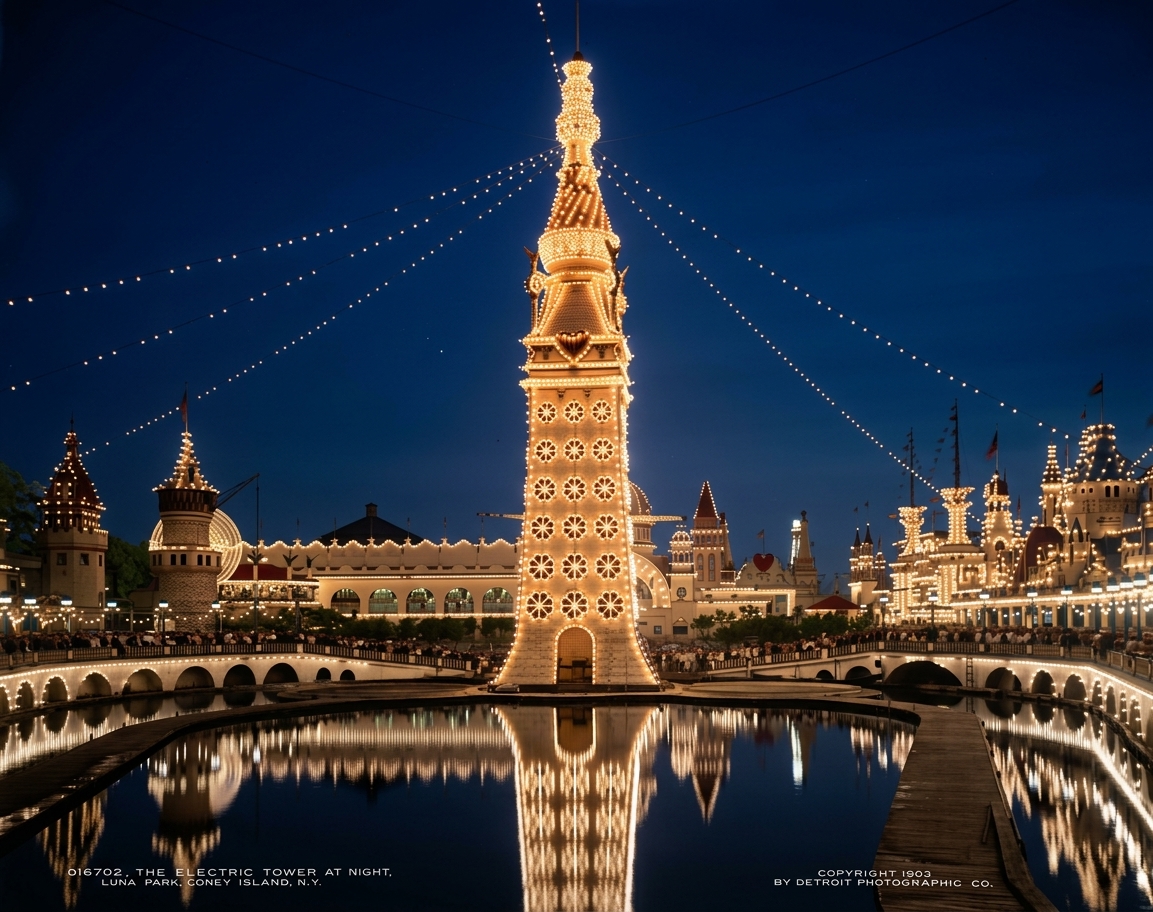
Let me start by saying that nothing you see written or researched here is AI-assisted. However, due to a very tight budget I have in the past used AI voices for discussion podcasts and audio. The podcasts are conceived as supporting summaries for students and fellow obsessives, and are more conversational and informal in tone. I write the scripts and a neural text-to-speech voice generates a podcast-style listen. I use Audacity to overlay the narration with ambient sounds and music (this is achieved manually by multi-tracking).
As a result of ongoing concerns about AI, I have suspended all use of it in podcast summaries.
I strongly believe that the actual content of work — the moral and philosophical bones of it — should remain human.
Images
I have experimented with Google Storybook for cartoon illustrations on two or three narrative non-fiction stories (I don’t intend to use them again).
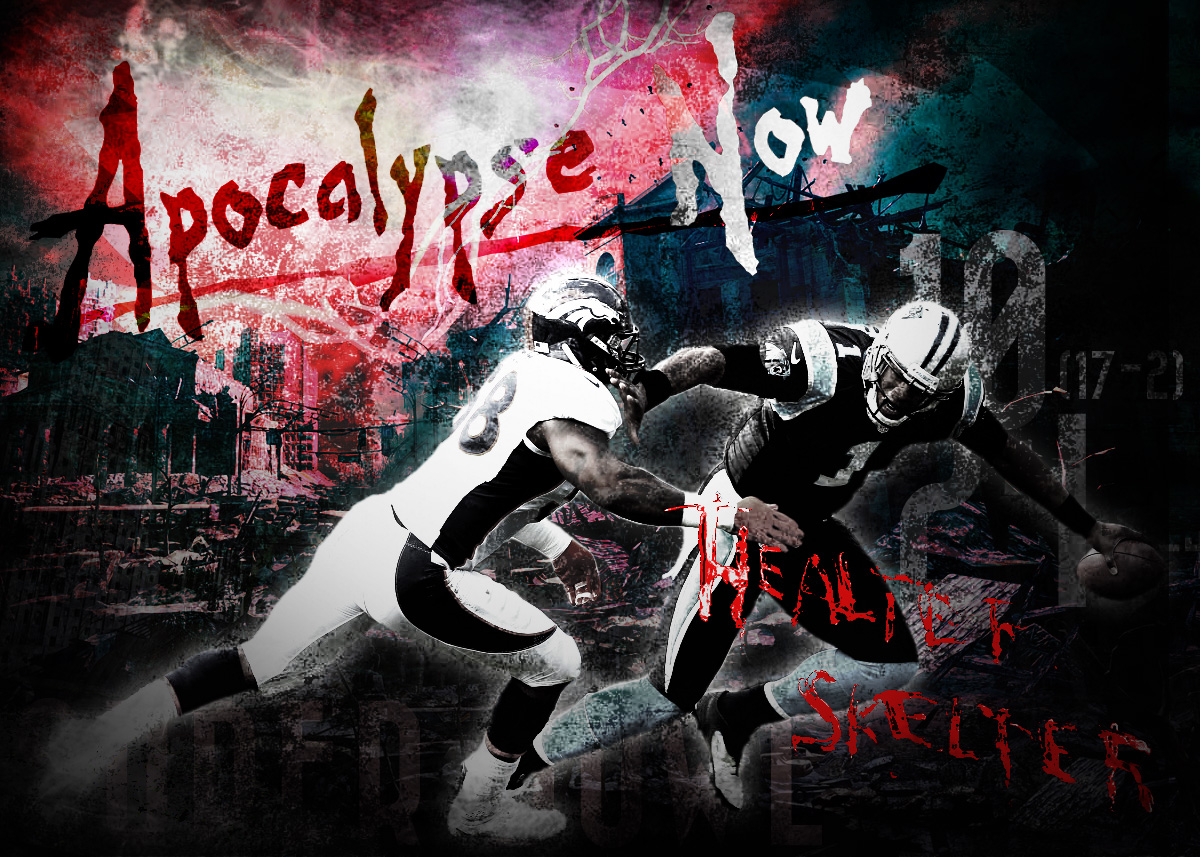
95% of graphics are either my own work (using Photoshop layers, like this one or this one) or licensed stock and public domain images.
Where images are very poor I have occasionally used AI to restore them. The success of Peter Jackson’s They Shall Not Grow Old has proved that technology can enhance our experience of the past, and help us connect more emotionally with history. It wasn’t until those crude, jerky frames of the old film reels had been restored and the colour and sound had been added that the men appeared real. And when the men appeared real, the full scale of the horror they experienced in the war felt real too. When the old film dissolved into the new film, it was like the ground had been taken from beneath your feet. You became acutely aware of being violently transported back through time. If AI can support that experience visually, I am happy to use it sparingly. But I accept that it poses a problem and needs tighter regulation.