As a result of their two major triumphs, The Story of Philosophy and The Story of Civilization, Will and Ariel Durant became two of the most influential public intellectuals of the mid-20th century, the pair embarking on a forty-year mission to democratise high culture for the masses. Will once famously declared that “a great civilization is not conquered from within until it has destroyed itself from within” — a timely piece of wisdom indeed for those living through the topsy turvy world of the Project 2025 period.
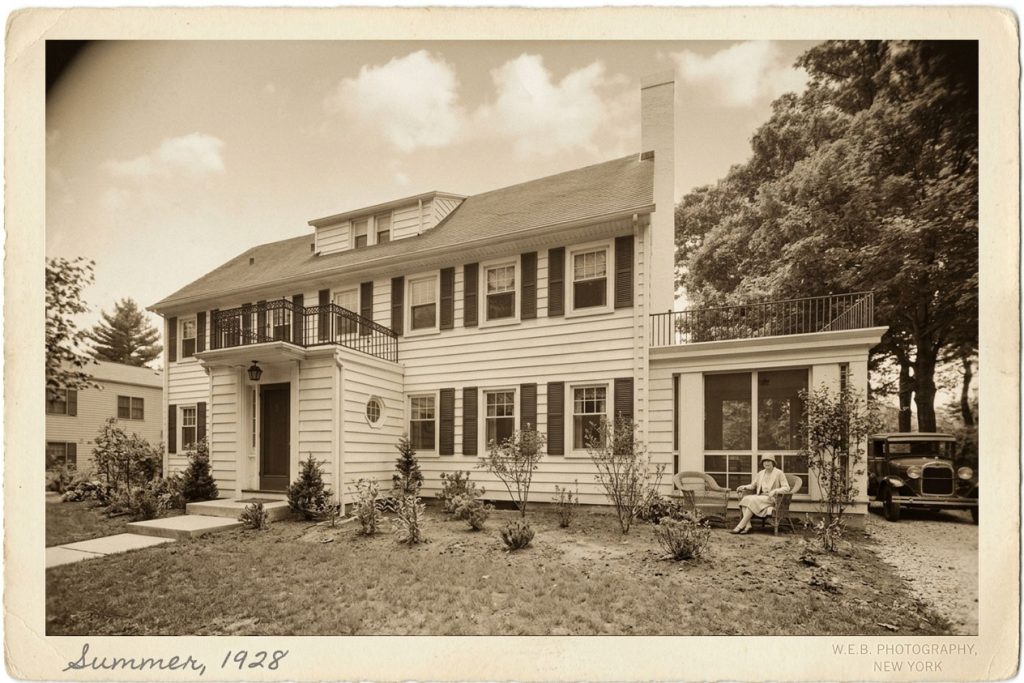
Scott and Zelda Fitzgerald were not the only married mavericks moving to that “slender riotous island which extends itself due east of New York.” [1] In 1928, another magic couple would move into the area. Will and Ariel Durant would leave their home in Flatbush, Brooklyn and upscale rather dramatically to 44, North Drive in Great Neck, Will’s 1926 publication, The Story of Philosophy providing the kind of freedom and security that precious few other Socialists could afford. Will was cut from much the same cloth as Fitzgerald, a once deeply committed Catholic whose discovery of Friedrich Nietzsche had led to a wonderful, disenthralled rebirth.
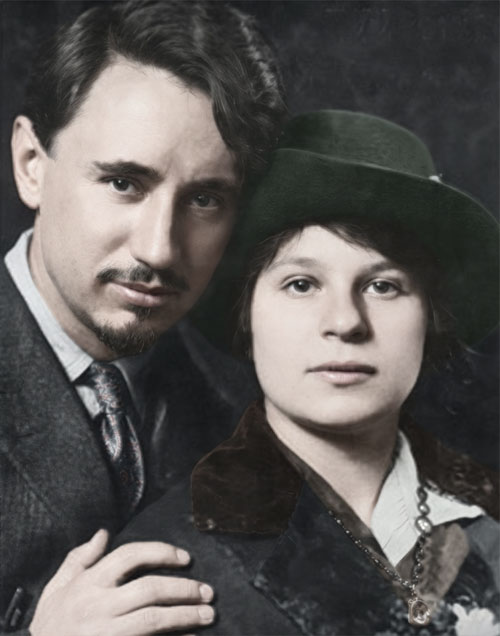
Like Fitzgerald, Durant had been educated by Catholic Priests in the Archdiocese of Newark, New Jersey — Fitzgerald by fellow Pennsylvanian, Monsignor Fay at Newman School For Boys, and Will by Monsignor Mooney, first at Saint Peter’s College and then at the Immaculate Conception Seminary. It was here that Durant dreamed of turning American Catholics on to Socialism. He was, however, given very short shrift, and after likening church steeples to phallic objects in a speech he made at a Ferrer Association lecture in New York, he was dismissed.[2] From here he got more involved with the anarchists, landing a job as principal teacher at the Ferrer Modern School at 63 East 107th Street in East Harlem, a school set-up by Emma Goldman and her husband, Alexander Berkman in celebration of Spanish anarchist and educator, Francisco Ferrer. Ferrer had been executed in 1909 after years of challenging the power and control wielded by the Catholic Church within the Spanish education system. His execution took place on October 13 after being accused of masterminding a week of violent anti-military protests in Barcelona during summer that year (‘Tragic Week’). The Ferrer Schools were based on the anarchist’s own libertarian ideals and practices.
Whilst there’s no record of Fitzgerald and Durant having met at any point, it’s curious to note that Durant would become a lifelong friend of Theodore Dreiser, the man whose detailed sketch of J. G. Robin in Twelve Men is likely to have provided the literary inspiration for Jay Gatsby’s Pan-like party persona. Letters exchanged in the aftermath of Dreiser’s death, in which Durant acted as pallbearer, reveal that he was also on close terms with Fitzgerald’s friend and literary mentor, H.L. Mencken.
Like J.G. Robin, Durant’s wife Ariel had been born in Ukraine. In their ‘Dual Autobiography’ Ariel describes their passage to New York City from their village in Western Ukraine where pogroms against the Jews and Cossack raids had been frequent. Ariel would later describe how for years, the “fears and hardships of their people” had been consoled by their religious hopes and dreams but America had replaced them. They had emerged from their steerage prison on a misty November morning in 1901 to greet the Statue of Liberty with tears falling from their eyes and prayers tumbling from their lips. It was then that chaos ensued, as Ariel’s strong-willed mother passed from desk to desk, answering through interpreters the volley of questions from the immigration officials at Ellis Island. Birth dates disappeared from her memory and details about relatives who were already in Manhattan were hard to convey. There was no gold to be found on the streets but there were flashes of gold in the dazzling lights and amusements at Dreamland and Luna Park in Brooklyn’s Coney Island where the family would ride breathless on the ‘Shoot the Chute’ cars. The pleasure they experienced here was blinding. As poor as they were, Ariel now felt they were now richer beyond their wildest dreams. Her addiction to God, she wrote, was slipping. [3]
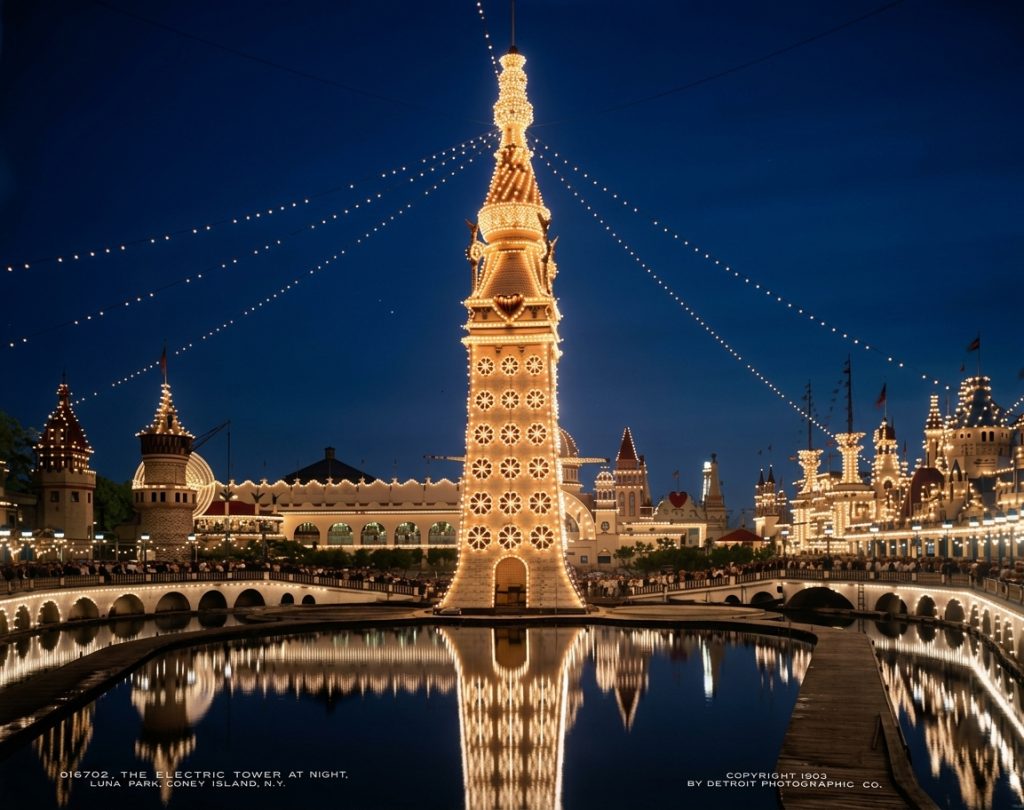
When her uncle Maurice Appel arrived from Russia in 1901 he brought with him some heady notions in social revolt and was anxious to pass them on. According to Ariel he had read Nietzsche and promptly “discarded all traditional morality”. Appel and his niece had a new design for life; religion wasn’t their salvation now: American freedom was. The routes they took from this moment forward would be a joyride in self-development. The ‘Light of the World’ that Ariel’s mother thought shone from the hearts of the Jewish people as they stood in praise before God, now glowed with an iridescence brighter than any star. Real or unreal, the lights that lit up Dreamland and Luna Park had been the beacon that had brought them all to safety and promised them full and lasting redemption. [4]
Read
The Story of Philosophy (1926)
[1] The Great Gatsby, F. Scott Fitzgerald, 1925, p.5
[2] ‘Censure For Ferrer Ally: Monsignor Mooney Says Arlington Man’s Lectures Excommunicate Him’ , Newark ( NJ ) Evening News , 19 January 1912 , p.1
[3] A Dual Autobiography, Will Durant, Ariel Durant, Simon and Schuster, 1977, pp.11-22
[4] A Dual Autobiography, Will Durant, Ariel Durant, Simon and Schuster, 1977, pp.11-22